
California Tide Pool Adventures for Curious Kids
Plan a California tide pooling adventure with practical tips on tide checks, safe access, wildlife-friendly exploring, and a marine-life backup for rough conditions.
· 7 min read
Monterey Bay Aquarium
Looking for things to do in California with kids that turn outdoor time into a little discovery mission? Tide pooling invites children to slow down, peer into shallow seawater, and look for coastal creatures in their natural habitat. A rewarding outing starts with checking local tides and surf, choosing a manageable access route, and making wildlife observation a hands-off activity.
You do not need to promise a particular animal or cover a long stretch of shore. One pool, a few good questions, and a safe place to stand can be enough. Here is how to plan a coastal adventure around your children's abilities and the conditions you actually find.
Choose the shoreline before planning the day
Start with an officially managed coastal destination whose website specifically identifies tide pooling access. Not every beach has accessible rocky pools, and a promising photograph does not tell you whether the approach involves steep stairs, loose ground, or waves crossing the route.
Because access can vary considerably, choose a location only after checking its official park or managing agency website. Look for current notices, posted habitat protections, and information about the path from the parking area to the shore.
- Check the approach: Are there stairs, uneven trails, rock crossings, or sections that could be covered by water?
- Check the practical details: Confirm parking arrangements, restrooms, entry requirements, and any fees through the official site.
- Check suitability: Look for explicit accessibility information rather than assuming a beach path works for a stroller or wheelchair.
- Check local guidance: Follow closures, protected-area rules, and ranger advice, even if older visitor reviews suggest otherwise.
For a first outing, favor straightforward access and an easy retreat over an ambitious scramble. If you cannot verify a safe route, choose another destination or enjoy the coast from a designated viewing area.
Read the tide forecast, then check the surf
A low tide is a planning clue, not a safety guarantee. It may expose pools and rocks, but swell, wind, and breaking waves can still make the shoreline unsuitable for children.
Use a reliable tide prediction source, such as NOAA Tides and Currents, and select a prediction location relevant to your intended shoreline. Check the date, local time, tide height, and whether the water will be falling or rising during your visit. Ask the managing agency which prediction location to use if you are unsure.
Then check the local coastal forecast and any beach hazards through the National Weather Service. Read the destination's own alerts as well. Plan around daylight and leave room to walk back before rising water affects your route.
There is no single tide height that makes every California tide pooling spot safe or accessible. If the forecast raises concerns, postpone. When you arrive, watch conditions from a safe vantage point before approaching the rocks. Turn back if waves wash across the exploring area or your way out looks uncertain.

Make safe access the main family rule
Before anyone starts searching for creatures, agree on a small exploring area and a clear stopping point. Children should know which adult they are staying with and that they must ask before moving to another pool.
Stay well back from breaking waves, and keep watching the ocean rather than turning your attention entirely to the water at your feet. Unexpected larger waves can reach farther than the ones you have just observed. Never use a brief calm spell as permission to move closer to the surf.
- Walk slowly and test each foothold before putting your weight on it.
- Avoid algae-covered surfaces, unstable rocks, cliff edges, and gaps that require jumping.
- Keep young children close enough for immediate help, without leading them onto terrain you cannot safely manage yourself.
- Leave pools alone if reaching them means crossing flowing water or an exposed channel.
- Head back while the return route is still clearly open, not when the water starts cutting it off.
If your child needs both hands to climb, is repeatedly slipping, or feels frightened, the route is too demanding for this outing. A shorter visit from secure ground is a better adventure than pushing through.
Pack for slippery rocks and curious observers
Keep the kit light enough that adults can move comfortably and supervise closely. Choose sturdy, closed-toe shoes with good traction that you do not mind getting wet. Even good footwear cannot make slick rock safe.
- Layers: Bring a wind-resistant layer and a change of clothes for the trip home.
- Sun protection: Pack sunscreen, hats, and sunglasses as appropriate.
- Water and snacks: Take breaks away from the pools and pack out every wrapper.
- A small first-aid kit: Be prepared for minor scrapes, but do not let supplies encourage riskier exploring.
- Observation tools: A notebook, pencil, or camera helps children record discoveries without collecting anything.
- A charged phone: Save directions and relevant access information before leaving.
Leave nets, buckets, and collecting tools at home. This outing is about noticing life where it belongs, not moving it into a temporary display.

Watch wildlife without changing its world
The easiest family rule is look closely, leave everything in place. Depending on the habitat and conditions, children might notice anemones, snails, crabs, or other small coastal animals. Treat any sighting as a possibility, never a promise.
Do not poke anemones, pull attached animals from rocks, chase creatures through pools, or move them for a better photo. Avoid lifting rocks or rearranging seaweed to uncover something hidden. Those spaces can provide shelter, and your visit should not change them.
Watch where you step as carefully as where you look. What seems like an ordinary patch of rock may hold small living things. Choose secure, clear footing and do not step into pools.
Leave shells, rocks, seaweed, and animals behind, including shells that appear empty. Follow all posted rules, which may include specific restrictions on touching or collecting. If you encounter larger wildlife, give it space and follow official distance guidance. Never feed or approach it.
Turn one pool into a discovery game
You do not need a species checklist to make tide pooling engaging. Start by standing quietly beside a safely accessible pool and asking children what they notice. Stillness often reveals more than hopping from rock to rock.
- Spot a shape: Can they find something spiral, rounded, branching, or flowerlike?
- Look for camouflage: Does anything blend into the rock or seaweed?
- Watch for movement: Is something crawling, drifting, or staying firmly attached?
- Compare two views: What looks different from another safe standing position?
- Record a question: Sketch an unfamiliar creature and research it later rather than handling it.
Skip any challenge that requires touching, collecting, leaning dangerously, or getting closer to waves. Let children choose a favorite observation, then leave while the experience is still enjoyable. The goal is curiosity, not completing a list.
Have a marine-life backup ready
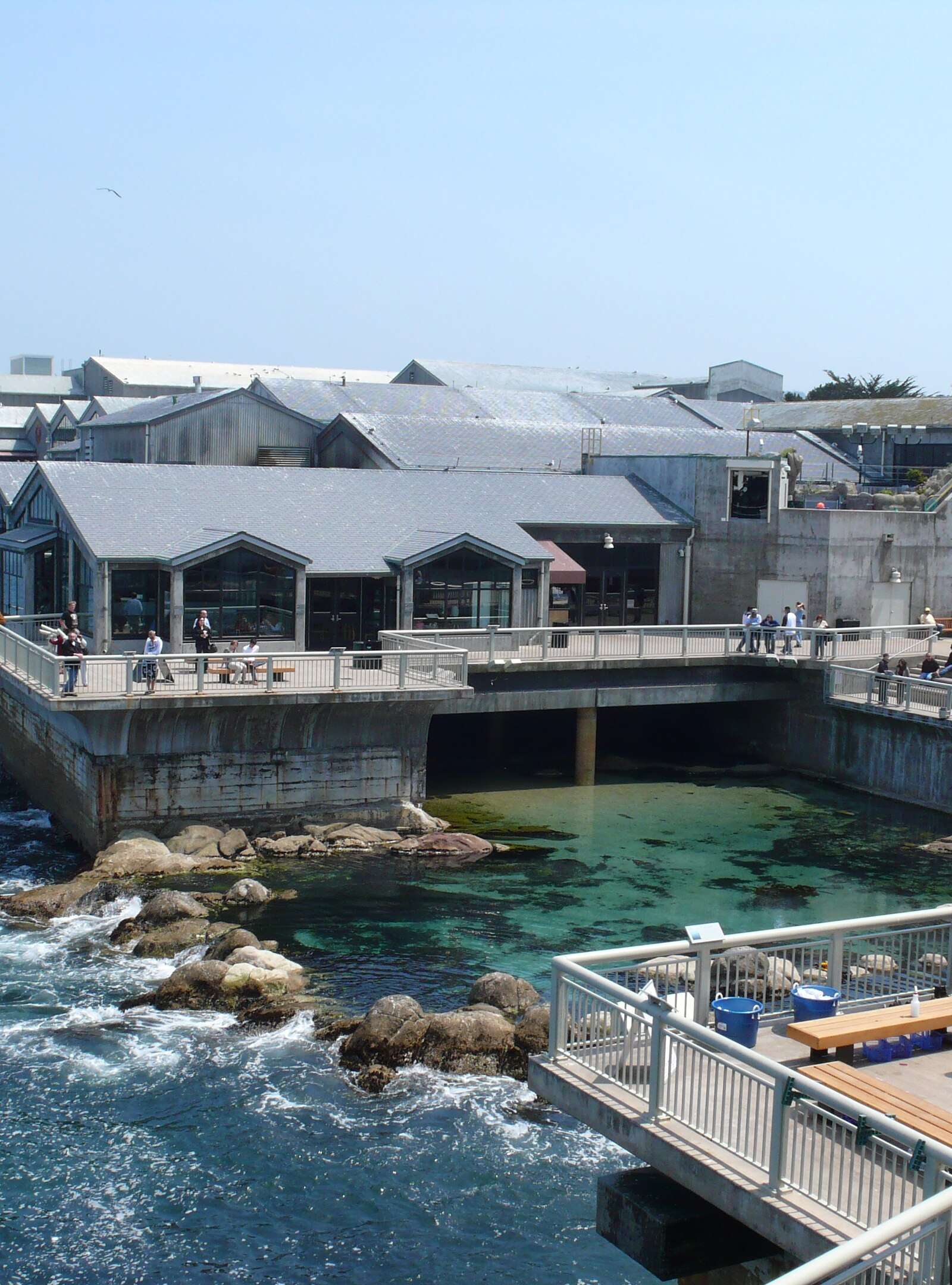
A backup keeps disappointing conditions from becoming pressure to continue. If you are visiting the Monterey area, Monterey Bay Aquarium offers a different way to explore marine life, with a towering Kelp Forest exhibit and sea otters to watch. It is at 886 Cannery Row, Monterey, CA 93940. Check the official aquarium website for current admission information and date-specific hours.
For a Carlsbad trip, LEGOLAND California Resort combines a LEGO theme park, water park, and aquarium. Check its official website for attraction-specific hours and admission options before making it your alternative.
Neither needs to be squeezed into the same day as tide pooling. Build your backup around where you are staying, travel time, and your family's energy.
Frequently asked questions
What is the best time to go tide pooling with kids?
Look for a suitable local low tide during daylight, then check surf forecasts and official access guidance. Low tide alone does not establish safe conditions. There is no universal arrival time or tide height that works for every shoreline.
Can toddlers go tide pooling?
Plan around the individual child and the terrain. Avoid routes requiring scrambling or exposed crossings. If there is no secure place to observe together, choose a designated coastal viewpoint or another activity instead.
Is tide pooling free in California?
Do not assume it is. Parking, entry, reservations, and other requirements depend on the destination. Check the managing agency's official website for current costs before setting your budget.
Can kids touch tide pool animals?
Make hands-off observation your default. Do not pick up, poke, or detach wildlife, and follow all posted protections. Photographs, sketches, and questions are better souvenirs than shells or animals.
What should we do if conditions change?
Stop exploring and return by your safe route before waves or rising water affect it. Never attempt a crossing that has become unsafe. Switching plans is a successful safety decision, not a failed day out.