
A Kid-Friendly Day in Anaheim Without the Theme Parks
Build a relaxed Anaheim day around park play, a hands-on activity, and a low-pressure lunch, with room for naps, snacks, and changes of plan.
· 7 min read
Looking for things to do in Anaheim with kids that don't involve theme parks? Build your outing around playground time, a hands-on activity, and a relaxed lunch, rather than trying to fill every hour. A local park can give kids space to move, while an indoor play space or interactive attraction, once you've checked the details, can add a change of pace.
The aim is a day that feels like a treat without becoming an endurance test. This guide offers a flexible way to plan, not a list of verified venues. Use it to decide what suits your family, then confirm locations, facilities, admission requirements, and availability on official websites before heading out.
Start with a park and room to play
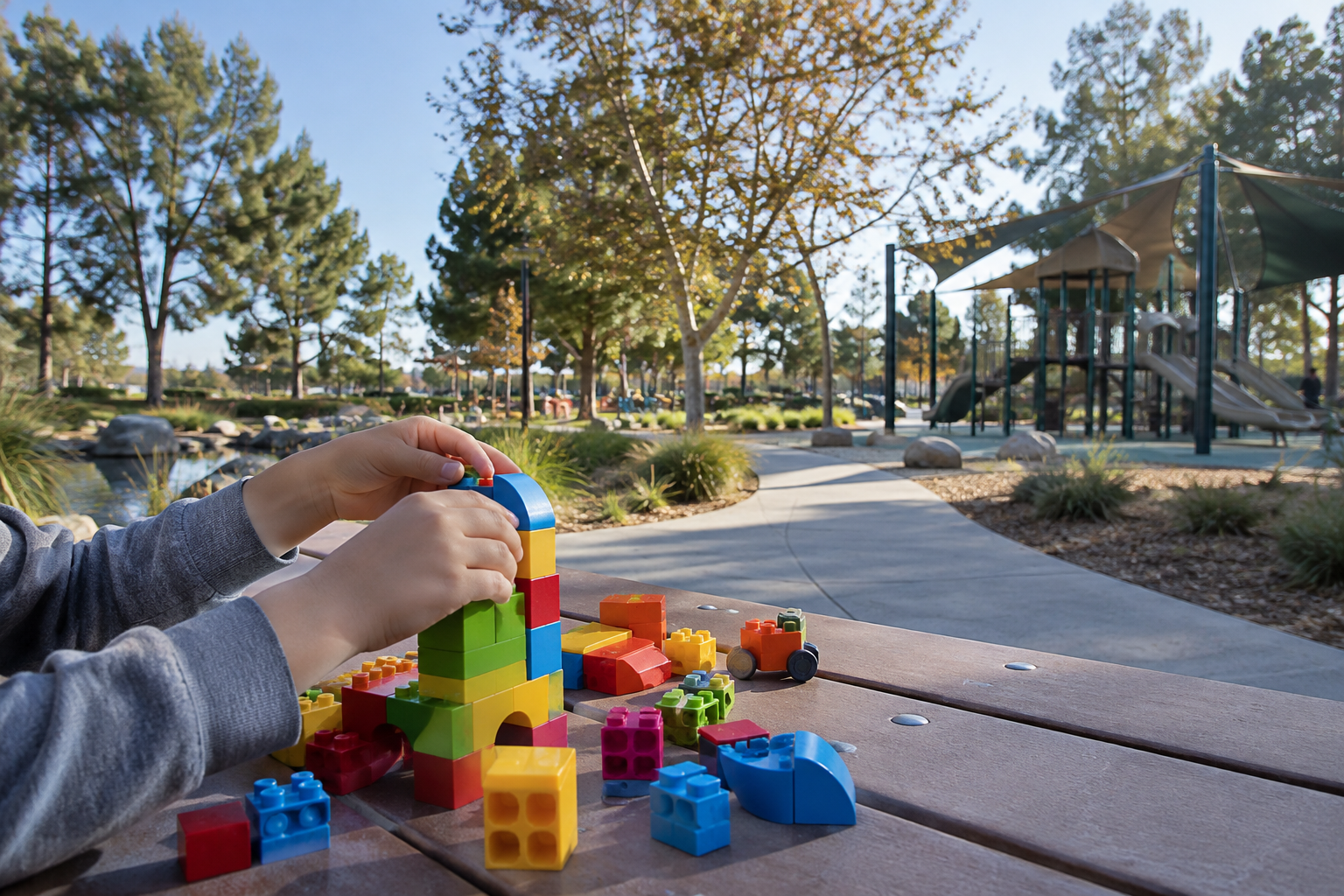
For a theme-park-free outing, park time is an easy starting point. Look for an Anaheim park with play equipment suited to your children's ages, then check the details that determine whether you'll actually enjoy staying: restrooms, seating, shade, and parking or transit access. Don't assume every park has the same facilities.
Give this stop a purpose beyond burning energy. Little ones might enjoy repeating the same slide, while older kids could invent a scavenger hunt or bring a sketchbook. A simple challenge, such as spotting three leaf shapes or drawing an interesting tree, adds interest without requiring more equipment.
Keep your exit flexible. If everyone is happily playing, there's no need to leave just because an ambitious itinerary says so. If the equipment isn't a good fit or the conditions feel uncomfortable, move on without treating the stop as a failure.
Choose one hands-on activity as your anchor
Rather than booking several attractions, choose one main activity that gives the day a little structure. When researching Anaheim options, look for descriptions that explain what children actually do, not just what they'll see. Making, building, experimenting, or imaginative play may be a better match than an experience centered on watching.
An official website should help you judge whether an activity fits your child's interests and attention span. Check age guidance, supervision rules, reservation requirements, and whether the experience is self-paced or led by an instructor. For siblings, look for enough flexibility that the younger child isn't overwhelmed and the older one isn't simply waiting.
- For makers: Search for an activity with a clearly described creative project.
- For curious kids: Look for opportunities to test ideas, handle materials, or ask questions.
- For imaginative players: Consider play spaces that describe suitable pretend-play options.
- For active kids: Check movement-based activities for height, age, clothing, and footwear requirements.
These are search categories, not confirmed offerings at a particular location. Verify the exact activity before promising it to your child, especially if that promise will become the highlight of the day.
Keep your Anaheim route compact
A short list of stops is only useful if getting between them is manageable. Before committing, put your preferred park, main activity, and lunch option on a map. Check each full address, rather than assuming a search result labeled for the Anaheim area is within your intended route.
Compare the whole journey, including parking, walking from the car, restroom breaks, and getting everyone buckled in again. If using transit, check current routes and service information through the official provider. With a stroller, consider the walking portions as carefully as the ride.
Let the anchor activity determine the rest of the route. If it requires a reservation, choose a park and meal stop that work around it. If nothing is booked, keep the order loose enough to respond to hunger, energy levels, and conditions.
Use a flexible day plan, not a packed schedule
You don't need exact times to build a useful outline. Think in blocks, with one optional stop instead of a long list of commitments. This sample plan describes an order of activities, not venue opening hours.
- First block: Playground time or a gentle outdoor wander, with a snack available when needed.
- Middle block: Lunch and a proper break, including a restroom visit before the next transition.
- Main activity: One prechecked hands-on attraction or play session that fits your children's interests.
- Optional finish: A short walk, another easy play break, or simply heading back to rest.
Reverse the park and main activity if a reservation, nap, or forecast makes that more sensible. For a half-day outing, drop the optional finish and choose either park play or the hands-on stop as your focus.
The best buffer is often an empty space in the plan. It leaves room for a slow meal, a clothing change, or the unexpected discovery that everyone wants more time at the first stop.
Make lunch a real break
Choose lunch for convenience as much as novelty. A meal that takes you far off route can turn a pleasant day into a series of transitions. Preview menus if your child has strong preferences, and contact the business directly about allergy questions rather than relying on a general listing.
A picnic is another possibility, provided your chosen location permits it and has somewhere suitable to eat. Check food rules at indoor attractions separately. Being allowed to bring a water bottle doesn't necessarily mean you can bring a full lunch.
Pack a familiar snack even if you're buying food. It gives you breathing room when hunger arrives before the planned meal. Bring water, and don't rely on finding a refill point unless you've confirmed one.
Adapt the day to your children's ages
With toddlers and preschoolers, prioritize easy transitions. One play stop and one meal may be plenty. Check whether an indoor space separates younger children from more active older kids, and plan around your child's usual rest needs rather than an idealized full day out.
Elementary-age children may enjoy having a small say in the plan. Offer two realistic choices, such as playground first or creative activity first, rather than an open-ended question with unlimited possibilities. Give them a simple job, like carrying their own lightweight activity bag.
For mixed-age siblings, look for a shared activity with different levels of challenge. You could also agree on separate turns choosing what happens next. If splitting up is practical, decide in advance which adult is supervising each child and where you'll meet again.
Have a backup for weather and sensory needs
Check the forecast before leaving and again if conditions change. Pack sun protection and suitable layers, and shorten outdoor time when necessary. An indoor alternative is only useful if you've checked that it's operating, appropriate for your children, and available without an unexpected booking requirement.
Indoor doesn't automatically mean quiet. When researching a play space or attraction, look for information about music, lighting, crowds, and places to take a break. Contact the venue about specific sensory or accessibility needs that its website doesn't address.
For a lower-pressure backup, bring a small familiar activity for a suitable place to pause. A notebook, simple travel game, or favorite book can bridge a wait. Sometimes the right backup is ending the outing early.
Check the practical details before you go
Because no specific venue listings are included here, use official park, city, and attraction websites to turn these ideas into a confirmed plan. Pay particular attention to:
- Current opening hours, closures, and reservation requirements.
- Admission charges, adult admission rules, and any parking or activity fees.
- Restrooms, accessible routes, seating, and stroller policies.
- Age or height restrictions, required socks or footwear, and supervision rules.
- Outside-food policies, cancellation terms, and reentry rules.
Save booking confirmations and addresses where you can retrieve them easily. Then stop planning. A good Anaheim family day needs a workable outline, not a commitment to squeeze in everything.
Frequently asked questions
What are some things to do in Anaheim with kids besides theme parks?
Plan around park play, a hands-on activity, and a relaxed meal. Research local playgrounds, indoor play spaces, and interactive attractions, then verify individual options through official sources. Choose one main activity rather than several rushed stops.
Can we plan a lower-cost Anaheim outing?
Start by checking public park options and their current access and parking details. Bring permitted snacks or a picnic, and compare the full household cost of any paid activity. Don't assume a location is entirely free without checking.
How many activities should we plan for one day?
Aim for one anchor activity and one flexible play stop, with lunch and breaks between them. For younger children or a half-day visit, one enjoyable stop may be enough.
Should we reserve activities in advance?
Check the official website for each activity. Some experiences may require reservations or have session limits. Confirm cancellation terms before booking, and keep the rest of your plan flexible around any fixed commitment.