
Nashville Family Outings for Kids Who Need Room to Explore
Compare outdoor adventures and hands-on outing ideas around Nashville by energy level, age fit, and indoor backup options, without overloading your family’s day.
· 9 min read
If you’re searching for family attractions near me in Nashville, start by matching the outing to how your kids like to explore: open space for movers, nature-focused stops for curious observers, or hands-on indoor activities for children who want to build and experiment. The best fit is not necessarily the biggest attraction. It’s the one that gives your children something satisfying to do at a pace your family can manage.
This guide compares types of outings to look for in and around Nashville, rather than listing verified venues. Use it to narrow your options, then check each attraction’s official website for current activities, age guidance, accessibility, tickets, and opening hours.
Choose by energy level before choosing a destination
Age matters, but energy level can be the more useful starting point. A preschooler who wants to inspect every leaf needs a different day from one who wants to climb nonstop. Older children can be just as different: one wants a physical challenge, while another would happily spend an afternoon making something.
Think about what your child needs today, not just what they usually enjoy. A poor night’s sleep, a long drive, or a busy school week can change what feels manageable.
- High energy: Look for outdoor play areas, walking routes with room to move, or activities that involve repeated physical participation.
- Medium energy: Consider a garden-style outing, nature observation, or a mix of walking and hands-on stops.
- Lower physical energy: Look for seated making, building, or experimenting, with the option to take breaks.
Remember that indoor does not automatically mean restful. Noise, crowds, lighting, and waiting can make a hands-on attraction more demanding than a quiet outdoor walk.
Compare your main outing options
Use these categories as a shortlist, not a promise about any particular Nashville location. Facilities and participation rules need checking before you go.
Open-space play and playground outings
Activity level: Potentially high, depending on the available space and equipment. Age fit: Choose according to the equipment’s posted guidance and your child’s abilities. Indoor backup: Plan separately unless an accessible indoor option is confirmed.
This is a useful category for children who dislike following a fixed route. The main trade-off is that adults may need to supervise children moving in different directions.
Nature walks and garden-style visits
Activity level: Low to moderate on a short, gentle route, higher with distance or challenging terrain. Age fit: Flexible when you can control the route length and pace. Indoor backup: Only count on one if the venue confirms a usable indoor space.
These outings work best when noticing things is part of the activity, rather than treating the walk as a task to finish.
Hands-on indoor exploration
Activity level: Often adjustable, but check how much standing and moving the visit involves. Age fit: Depends on whether activities match your child’s reach, reading level, and interests. Indoor backup: This can be your weather alternative, subject to admission availability.
Look for clear descriptions of what children actually do. “Interactive” is more useful when it means your child can participate, rather than watch someone else demonstrate.
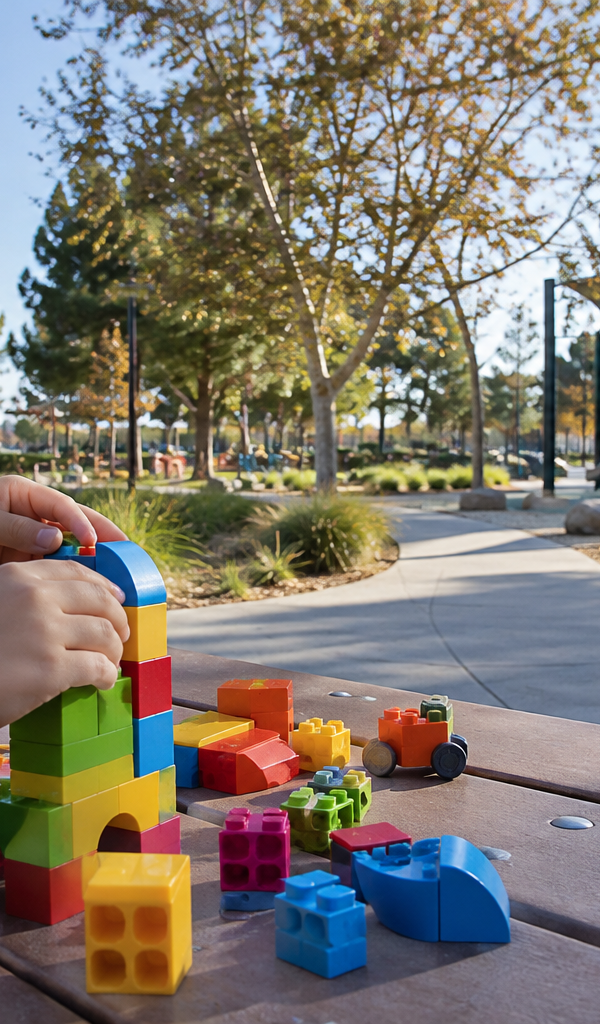
Structured making and building activities
Activity level: Usually a better candidate for children seeking focused participation than free running. Age fit: Check minimum ages, tool use, and adult-help requirements. Indoor backup: Suitable only if the activity is indoors and a place is available.
A defined project may appeal to children who like an outcome, but scheduled sessions can be less forgiving when the day starts late.
Outdoor play for kids who need to move
For a child who has spent the morning sitting, an outdoor-first plan can be a sensible choice. Prioritize the practical layout over the longest list of features. Can you keep your children in sight? Is there a place to pause? Can you leave easily if someone reaches their limit?
For toddlers and preschoolers, look for information about age-appropriate play areas and boundaries. For elementary-age children, consider whether the activity offers enough variety to keep them engaged without requiring constant adult direction.
Older children may prefer a goal alongside open-ended play. Let them help choose the activity or set a simple challenge that follows the site’s rules. Don’t assume equipment designed for younger children will hold their attention.
- Check restroom availability instead of assuming it from the size of the site.
- Confirm shade, seating, and drinking-water access if those are important to your visit.
- Review surface information when bringing a stroller or mobility device.
- Check food rules before planning a picnic.
Best pairing: Outdoor movement followed by a familiar break. You do not need a second attraction just because the first stop was simple.
Nature outings for kids who like to investigate
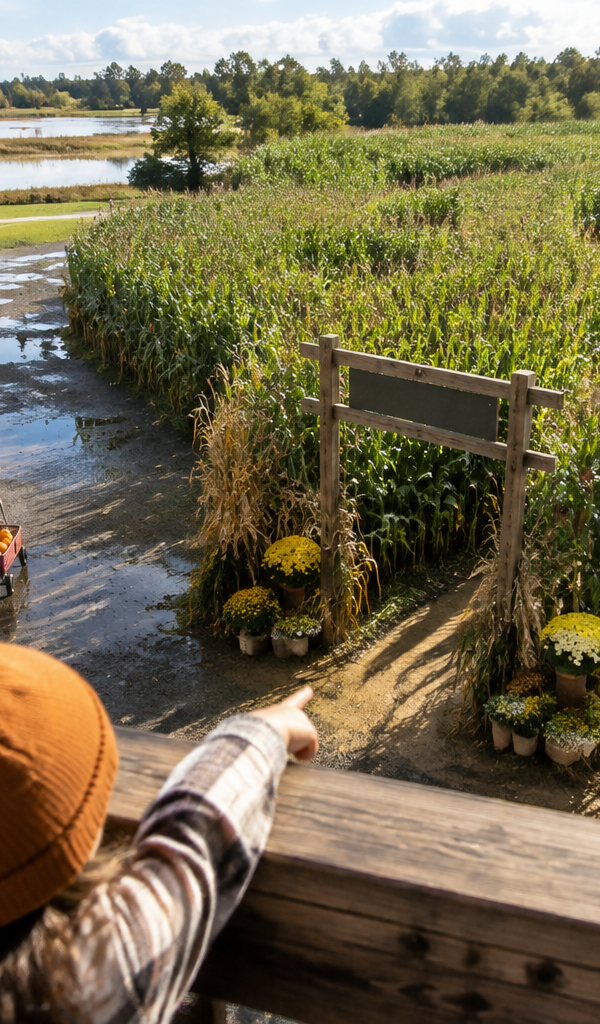
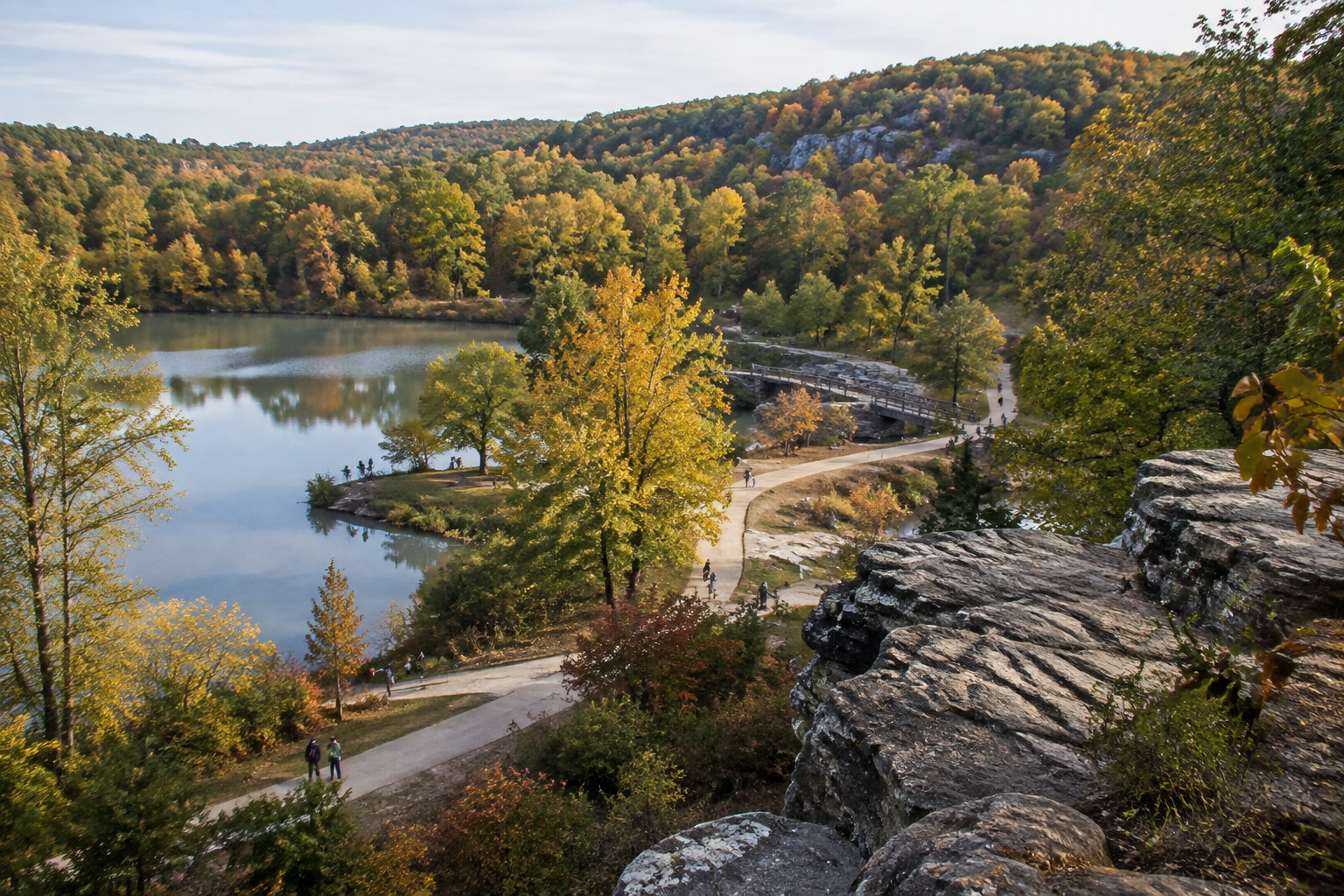
A nature-focused outing offers a different kind of exploration. Instead of asking, “How far can we get?” try, “What can we notice?” That shift can make a short route feel purposeful without pushing children beyond their comfortable walking distance.
Young children might enjoy looking for different leaf shapes or listening for sounds. Elementary-age kids could sketch something they spot or compare textures without disturbing plants or wildlife. Older children might prefer photography, observation notes, or choosing between approved routes.
Keep any challenge optional. A scavenger hunt stops being helpful when everyone is rushing past interesting things to complete a list. Follow posted rules, stay on permitted paths, and leave natural objects where required.
Before choosing a Nashville-area nature outing, check the official route information for distance, surface, slopes, and closures. A short route is not necessarily an easy one, and a garden-style setting does not automatically mean every path is accessible.
Best pairing: A short exploration followed by a snack or rest where permitted. Treat indoor exhibit space as a bonus only after confirming it exists and is available during your visit.
Hands-on indoor options for busy minds
When outdoor conditions do not suit your plans, look for an indoor experience that preserves the part your child enjoys: experimenting, choosing, moving, or creating. Replacing outdoor freedom with a long stretch of quiet observation may not meet the same need.
Read activity descriptions with your child in mind. Can they repeat an experiment? Build their own version? Handle materials? Make choices? These details tell you more about fit than a broad label such as “family-friendly.”
For younger children, check for activities that do not depend on reading and ask whether there is a separate area suited to their age. For older children, look for enough complexity to reward sustained attention. A space that delights a preschooler may offer little challenge to a preteen.
Also check how participation works. Some activities may require reservations, timed admission, or adult involvement. Verify those details with the specific venue rather than assuming you can arrive whenever the weather changes.
Best pairing: One indoor destination with a flexible exit. If your child becomes absorbed in an activity, leave room for that interest instead of rushing to the next item.
Match the outing to your children’s ages
Age bands are a starting point, not a substitute for knowing your children. Confidence, stamina, sensory preferences, and developmental needs matter too.
Toddlers and preschoolers
Prioritize simple participation and an easy exit. Look for something your child can do soon after arriving, rather than a visit that begins with extensive instructions or waiting. Verify restroom and changing facilities, stroller policies, and any separate younger-child areas.
A short, successful visit counts. Leaving while everyone is still comfortable can be better than stretching the day to cover everything.
Elementary-age children
Look for a balance of freedom and purpose. A route to explore, a problem to solve, or something to build can give the outing direction without requiring a tightly scheduled day. Offer two realistic choices rather than asking children to select from an overwhelming list.
Tweens and mixed-age siblings
Give older children a genuine say, while keeping supervision with adults. For siblings, aim for different levels of challenge within the same manageable setting. If children would need separate areas, decide beforehand whether you have enough adults to supervise comfortably.
Build an indoor backup that actually works
A useful backup is more than the name of an indoor attraction. It needs to be open, available, suitable for your children, and practical to reach from your outdoor choice.
Before leaving, check these details on official websites:
- Admission: Can you visit without advance booking, or would a reservation be needed?
- Age fit: Are there meaningful activities for every child coming with you?
- Timing: Do current opening hours and any entry limits fit your likely arrival?
- Comfort: Are the facilities and accessibility arrangements suitable for your family?
- Cost: What would the change of plan mean for your total spending?
Choose your switch point before everyone becomes uncomfortable. That might mean changing plans when the forecast no longer suits the activity, rather than waiting until you are already outside. For dangerous weather, follow official safety guidance rather than treating the next attraction as an immediate solution.
You can also cancel the second part of the day. A backup should reduce pressure, not become another obligation.
Keep travel, spending, and transitions manageable
When comparing family attractions near you, consider the full trip rather than distance alone. Check the route from your actual starting point, parking arrangements, and the walk from arrival to the activity. Repeat that check for your backup destination.
For a Nashville outing, keep your search centered on one manageable area rather than choosing widely separated stops just because they each sound appealing. Use current directions to judge whether the combination works for your family.
Budget for the complete visit using confirmed information. Check admission, parking, activity add-ons, and food arrangements where relevant. Do not assume an outdoor setting means free entry, or that every activity is included with admission.
Pack for the chosen activity: water, suitable layers, sun protection for outdoor time, and any everyday essentials your children need. Check venue policies before bringing food or equipment. Keep the bag manageable so the preparation does not outweigh the outing.
A useful default is one main stop, one break, and one optional backup. That leaves space for slow discoveries, repeated play, and the possibility that everyone has had enough sooner than expected.
Frequently asked questions
How do I find family attractions near me in Nashville?
Start with your location and the type of experience your children need: active outdoor play, gentle exploration, or hands-on indoor participation. Shortlist options within a manageable trip, then use official venue websites to verify facilities, current hours, admission, and age guidance.
Should we choose an outdoor or indoor outing?
Choose based on the activity, weather, and your child’s needs, not simply whether a place has a roof. Outdoor space may suit children who need freedom to move. An indoor activity may better suit focused making or experimenting, but check noise levels and participation requirements.
What works best for children of different ages?
Look for one setting with several ways to participate and a layout you can supervise comfortably. Check whether younger and older children can enjoy the same area. If they need separate spaces, plan adult supervision before booking.
Can we plan a budget-friendly Nashville family outing?
Compare the full cost of your shortlist using official information. Include parking and optional activities where applicable, and check food policies. Keeping to one main destination can help you control spending, but no specific venue prices are verified in this guide.
What should I check for accessibility or sensory needs?
Review official accessibility information for routes, entrances, restrooms, seating, and activity participation. For sensory needs, look for information about sound, lighting, crowds, and quiet spaces. Contact the venue when an important detail is missing rather than relying on a general accessibility label.
Do we need to fill the whole day?
No. Pick one experience that fits your family and leave room to enjoy it. A satisfying outing might be a short walk full of discoveries or one hands-on activity repeated several times. The goal is worthwhile exploration, not completing the longest itinerary.