
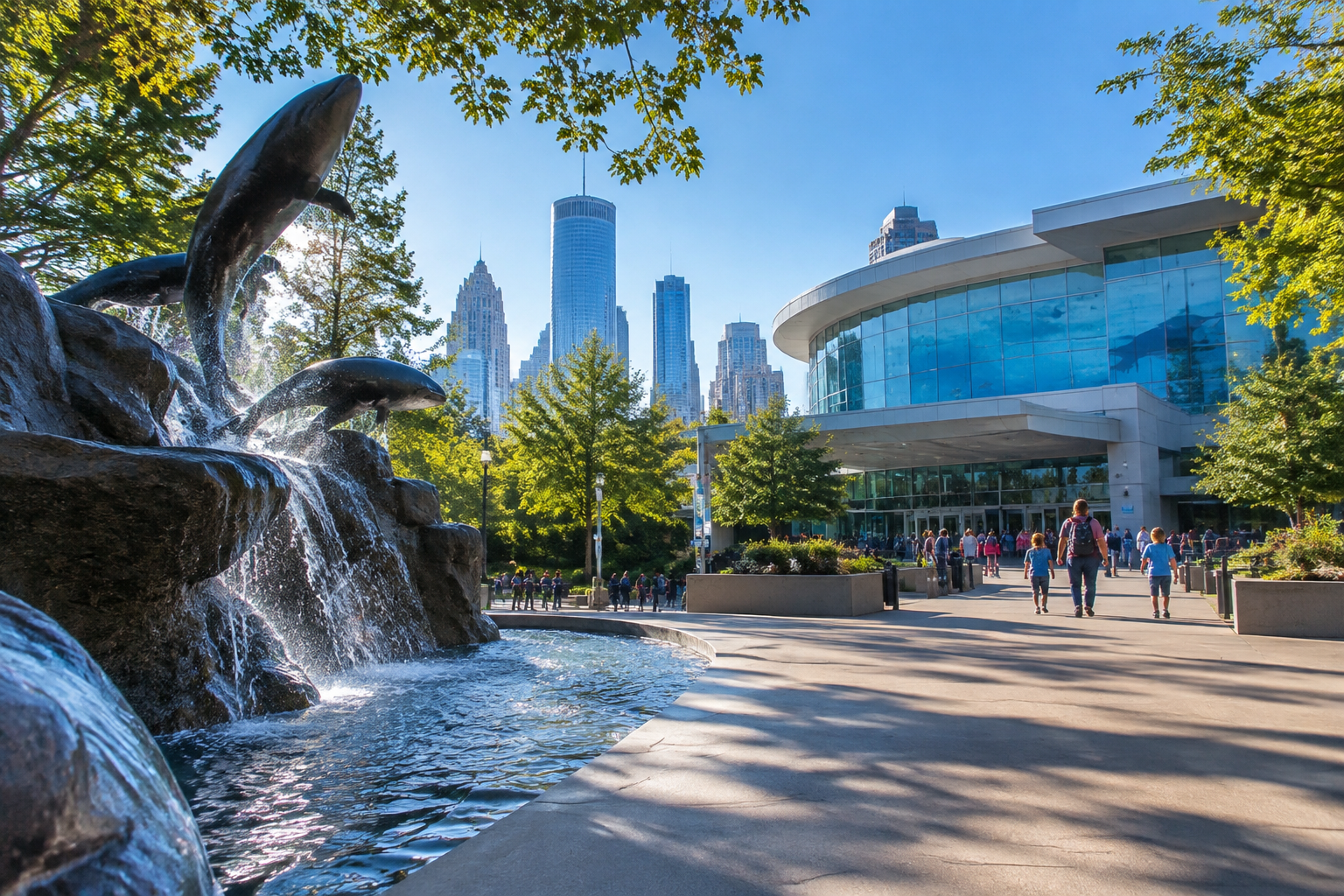
Atlanta With Kids: Build a Day Around One Big Attraction
Plan an easier Atlanta family outing with one main attraction, a nearby meal and an optional extra, leaving room for breaks instead of cross-city travel.
· 7 min read
The best way to choose things to do in Atlanta with kids is to start with one main attraction, then build the day around a nearby meal, a place to take a break and one optional extra. Let your family’s interests guide the anchor, whether that means animals, hands-on discovery, art or outdoor play. You do not need to cross the city collecting stops to have a worthwhile day out.
Think of this as a planning framework rather than a must-see checklist. Choose the big experience first, check the details on its official website and give everything else permission to be flexible.
Make one attraction the center of your day
Your anchor is the experience you would still feel good about doing if everything else fell off the schedule. It should suit the children you are traveling with, not just look impressive on a list.
Before booking, ask each child what sounds fun: watching animals, making something, exploring exhibits, moving outdoors or following a particular interest. With younger children, offer two choices rather than an open-ended question. With older kids, let them help compare the options.
Use these questions to narrow the field:
- Is it a good age fit? Look for official descriptions of activities, exhibits and any participation restrictions.
- Does it match your family’s energy? A visit built around reading and looking asks something different from one built around movement.
- Can everyone participate comfortably? Check accessibility information and any sensory guidance relevant to your group.
- Is the journey worth it on its own? Avoid choosing an anchor that only appeals if you add several other stops.
Once you have a winner, resist adding a second major attraction simply because it is also on your wish list. Save it for another day.
Build a small cluster, not a citywide checklist
After choosing your anchor, look at the immediate area on a map. Your supporting stops should make the outing easier, not create another travel project.
A useful cluster includes somewhere to eat, somewhere to pause and, if the children still have energy, one small extra. That extra might be a short outdoor wander or another low-commitment activity you have verified nearby. It does not need to require a ticket.
Check routes between actual entrances, not just map pins. A stop that looks close on a screen may involve crossings, an awkward stroller route or a different entrance than expected. Compare the full journey, including parking or the walk from a transit stop.
Nearby should mean easy for your family. If reaching lunch requires loading everyone into the car, finding another parking space and unloading again, it may not be the simple option you hoped for.
Give the day a flexible shape
A good family itinerary has a clear priority without filling every gap. Use this loose sequence, then adjust it to your booking and your children’s routines.
- Arrive with a buffer. Leave room for finding the entrance, using the restroom and sorting out anything needed before entry.
- Enjoy the anchor attraction. Start with the part your family most wants to experience rather than assuming you will cover everything.
- Take a proper meal break. Sit down and reset before deciding whether to continue.
- Choose the optional extra, or head back. Make this decision based on the children in front of you, not the itinerary you wrote at home.
If timed entry or another reservation determines your schedule, build around it. Avoid placing another fixed commitment immediately afterward. Having somewhere to be next can make even a good visit feel rushed.
Choose a day style that suits your kids
These are planning templates, not claims about particular Atlanta venues. Use them to decide what to research, then confirm facilities and activities with the attraction itself.
A discovery-focused day
Choose an attraction centered on an interest your child already enjoys, such as science, animals or creative activities. Give them one small mission: find something surprising, choose a favorite exhibit or explain one thing they learned.
Pair the visit with an uncomplicated meal and, if practical, a nearby chance to move around. Skip another information-heavy stop unless everyone is genuinely asking for more.
An outdoor-first day
Make an outdoor attraction or activity your anchor if the forecast and your family’s needs support it. Check the official information for routes, facilities, restrictions and any weather-related updates before setting off.
Choose a manageable portion of the experience rather than assuming you need to cover the whole site. Identify a sheltered meal option and decide in advance what weather would make you change plans.
A creative, slower-paced day
For children who enjoy looking closely, drawing or making things, research an arts-focused attraction. Verify whether any family activities need separate reservations or have age requirements.
Keep the supporting stops quiet and simple. A relaxed meal and a short wander may be a better pairing than another structured activity.
Plan breaks before you need them
Breaks work best when they are part of the outing, not an emergency response. Before you go, check what the official site says about seating, restrooms, food, stroller access and reentry. Do not assume you can leave for lunch and return on the same ticket.
Pack for your children’s familiar needs, while checking the attraction’s bag and food policies. A change of clothes, an allowed snack or a familiar comfort item may be more useful than extra entertainment.
For mixed-age families, agree on a simple trade-off: each child gets a priority within the main visit, while everyone gets breaks. If adults plan to split up temporarily, choose a clear meeting point and keep the arrangement uncomplicated.
Keep transportation from taking over
The anchor-first approach limits the number of separate journeys you need to organize. Before leaving, check current directions, parking information or transit guidance for your chosen destination.
If driving, compare the convenience of staying in one parking location with the effort of moving between stops. Confirm parking rules and costs through the relevant official source. If using transit, check current routes, service information and the walking portion at both ends.
Do not judge transportation only by the ride itself. Think about carrying bags, managing a stroller and getting tired children back to where you started. The simplest outward journey should also make sense at the end of the day.
Check the full cost and booking details
Without verified venue information, there is no reliable single price for an Atlanta family outing. Build your budget from the current details for your chosen attraction, then include transportation, food and any optional purchases.
Before paying, use the official website to confirm:
- Current admission prices and which ages need tickets.
- Opening hours for your intended visit date.
- Timed-entry requirements and what admission includes.
- Any separate charges or reservations for activities you want.
- Cancellation, rescheduling and reentry policies.
Set expectations about souvenirs before arriving. Keeping the extra stop optional also protects the budget: you will not feel obliged to buy another experience just to complete the plan.
Have a backup, not a second itinerary
Your backup should solve the most likely problem. For an outdoor anchor, that may mean researching an indoor alternative. For a demanding visit, it may mean knowing how to shorten the outing.
Check any alternative’s availability and booking requirements, but avoid stacking nonrefundable reservations just in case. Recheck official updates close to departure, especially when weather could affect your chosen activity.
A successful day can be one attraction and lunch. Leaving while everyone is still reasonably happy is a good ending, not a missed opportunity.
Frequently asked questions
What are the best things to do in Atlanta with kids?
Start with your children’s interests and research one matching attraction, whether that is focused on animals, discovery, creativity or outdoor activity. Confirm the details, then add a nearby meal and an optional low-effort stop.
How many attractions should we plan for one day?
Make one major attraction the priority. Treat anything else as optional, particularly with young children or a group with different energy levels. This leaves room to enjoy the main visit without rushing.
How can we keep an Atlanta family outing affordable?
Check the full cost before booking, including transportation and food. Avoid adding paid stops by default, confirm what admission includes and set a souvenir budget. Check food policies before planning to bring snacks.
What should we do if the weather changes?
Check official updates for your attraction and decide whether to shorten, reschedule or switch the outing. Keep one researched alternative in mind rather than trying to rebuild a packed itinerary on the day.